
Rosh Hashanah Recipes and Traditions
Rosh Hashanah Holiday Menu & Recipes
Bring tradition to your table with our family’s favorite Moroccan and Sephardic holiday recipes, organized by meal.
Eve of Rosh Hashanah Dinner
-
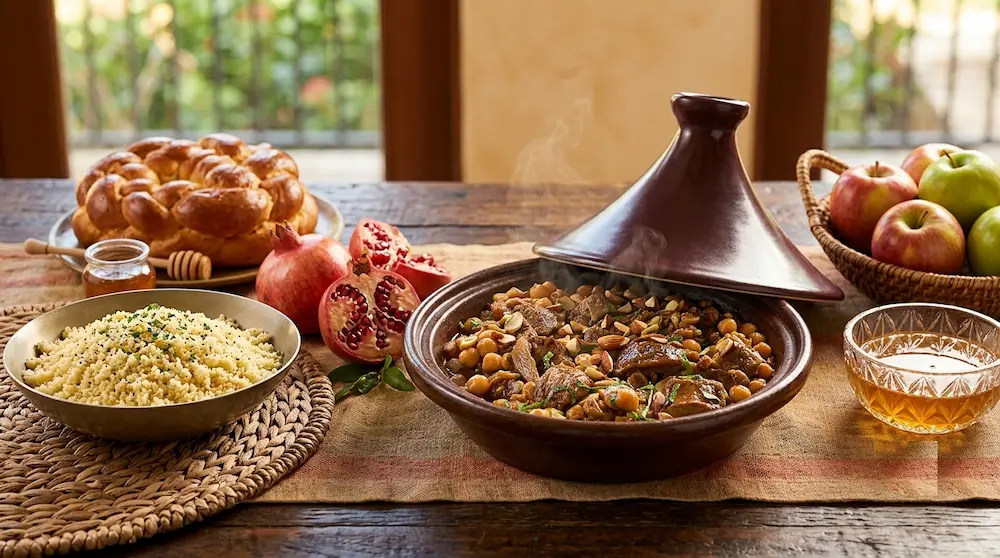
Lamb Tagine with Chickpeas and Raisins
-
Description: One of the most savory, mouth-watering dishes you can make.
-
First Day of Rosh Hashanah
Lunch
-
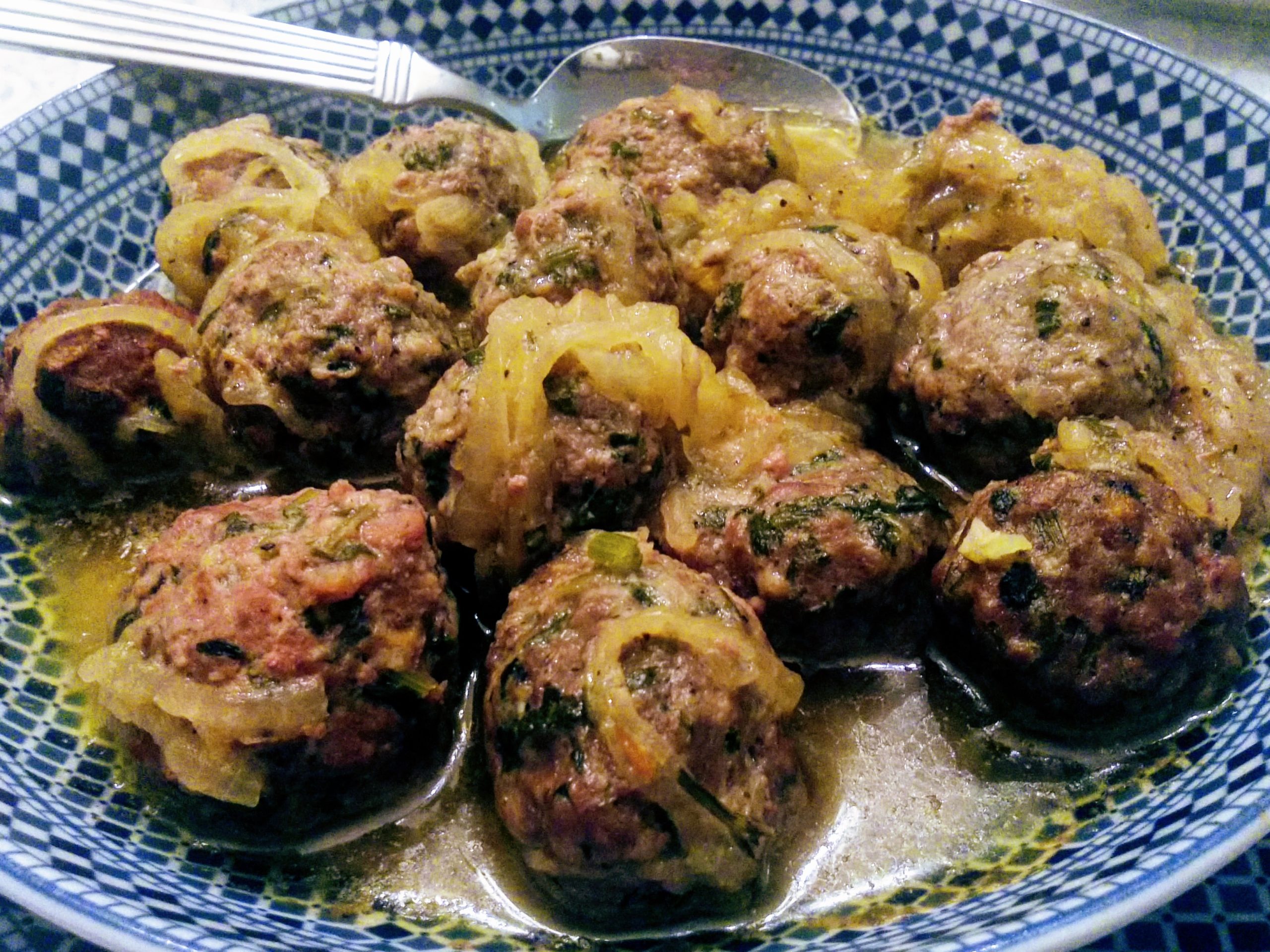
Moroccan Meatballs with Onions
-
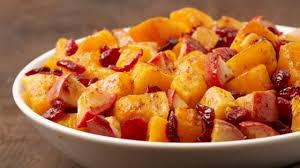
Sephardic Sweet Potatoes for Rosh Hashana
-
Description: A hearty side dish traditionally boiled, then roasted with olive oil, cinnamon, and sugar. (Alternatively, try the Sweet Potatoes and Squash recipe.)
-
-
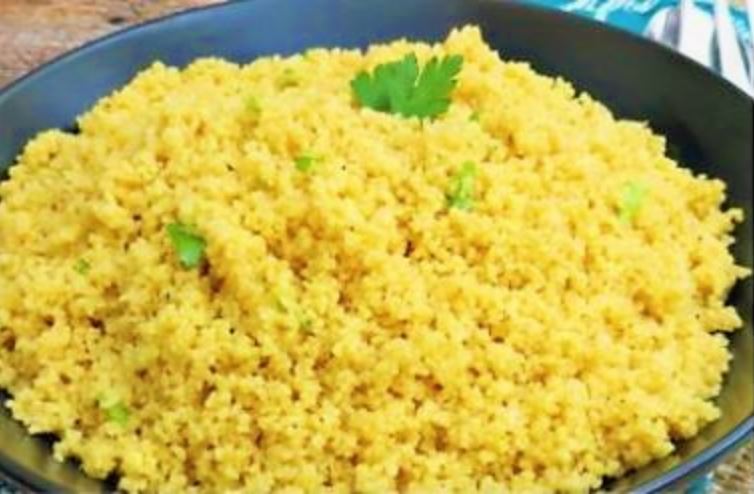
Perla’s Seasoned Couscous
Dinner
-
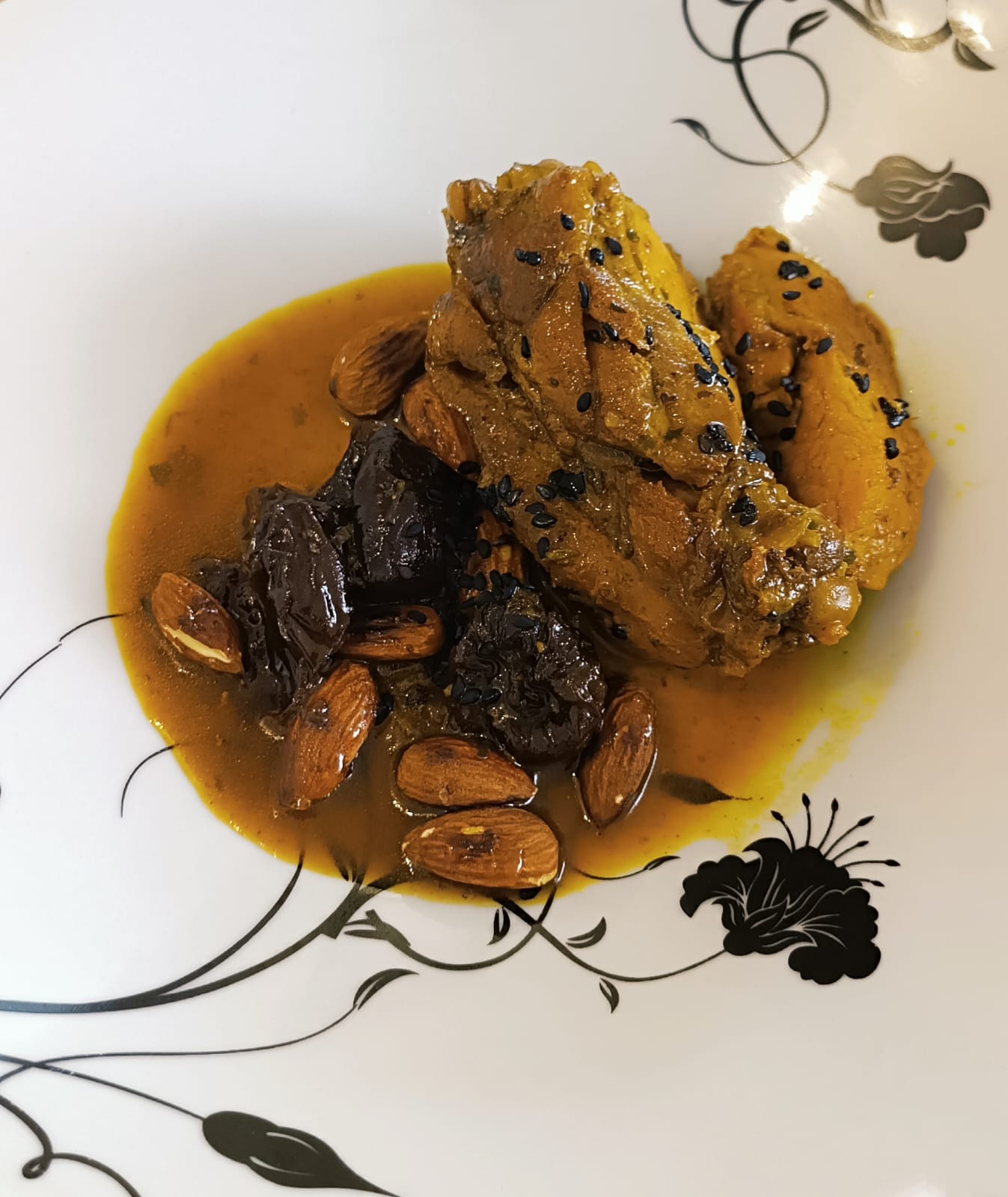
Chicken with Prunes and Almonds
-
Description: A classic Moroccan sweet-and-savory dish where onions, prunes, and almonds combine to make a rich sauce that permeates the chicken.
-
-
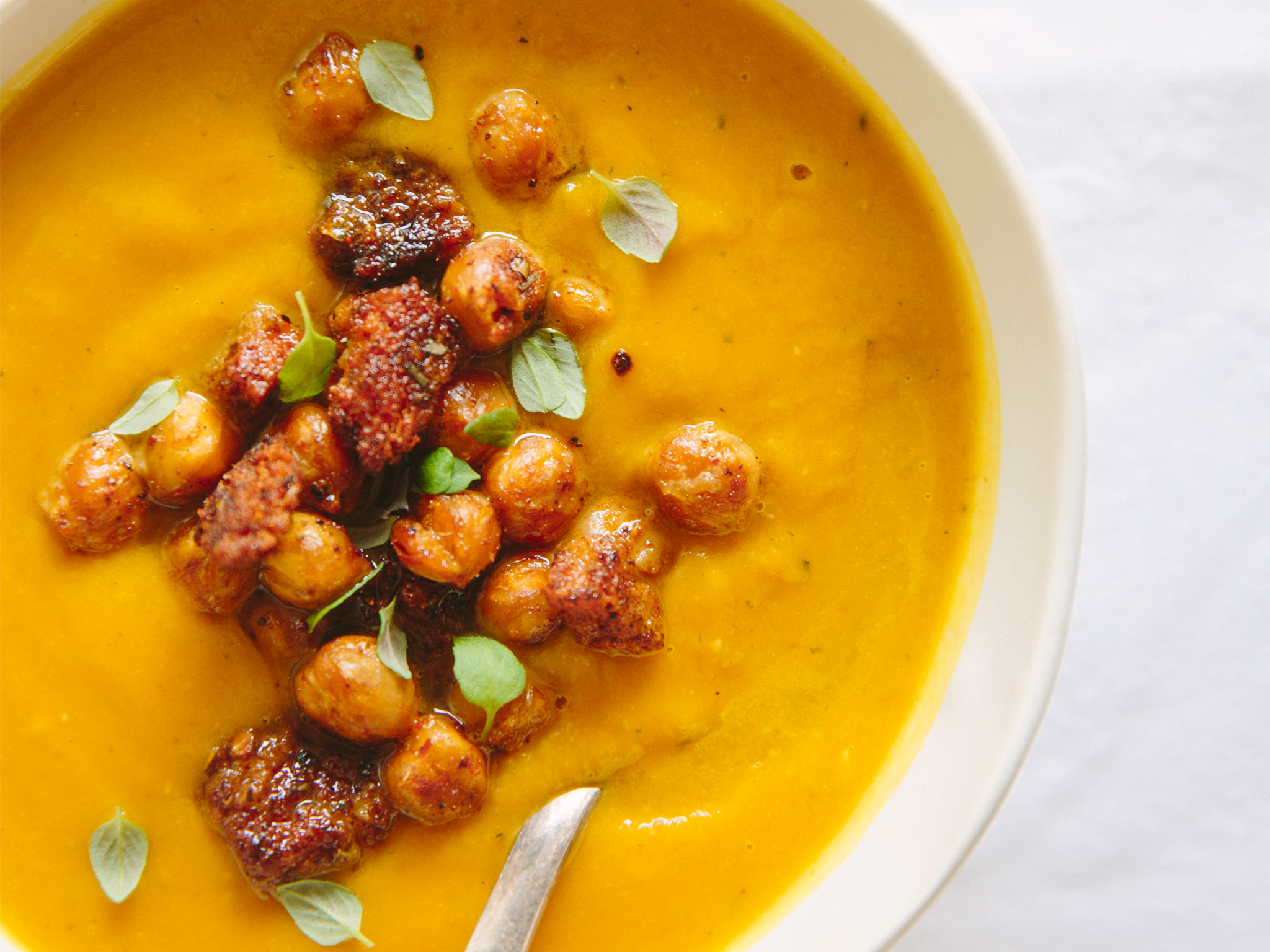
Chickpea and Pumpkin Soup
-
Description: Served on the second night, featuring deep, rich flavors from chickpeas, pumpkin, and onions slowly infused with shank meat and saffron.
-
Second Day of Rosh Hashanah
Lunch
-
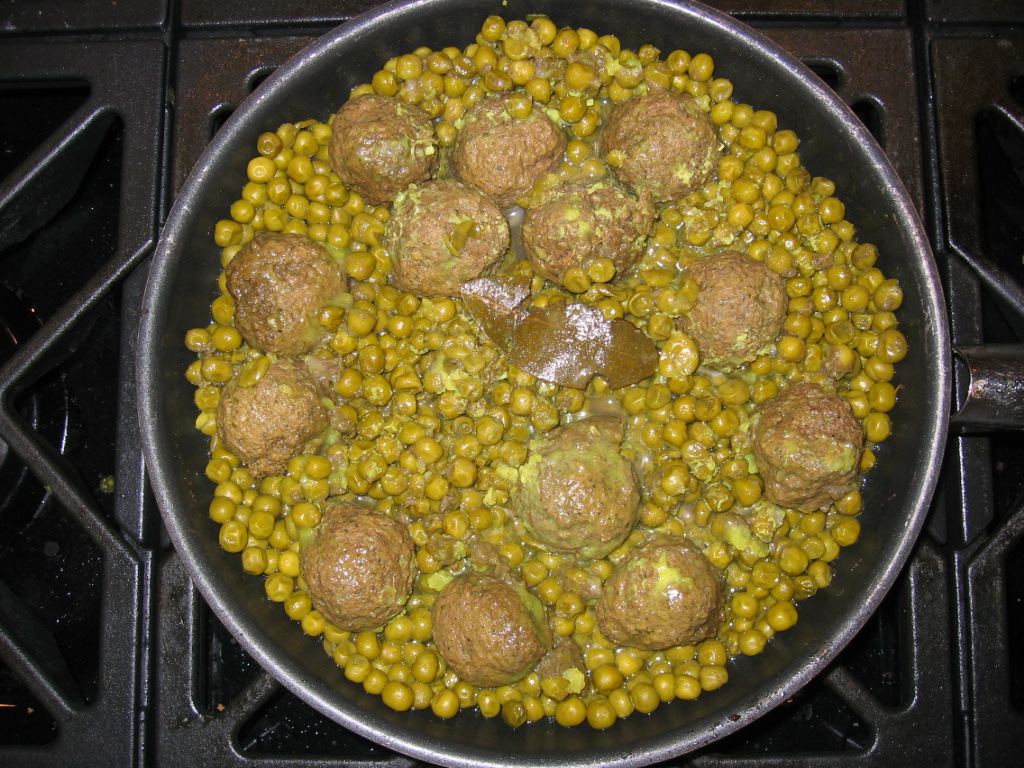
Meatballs with Sweet Peas
-
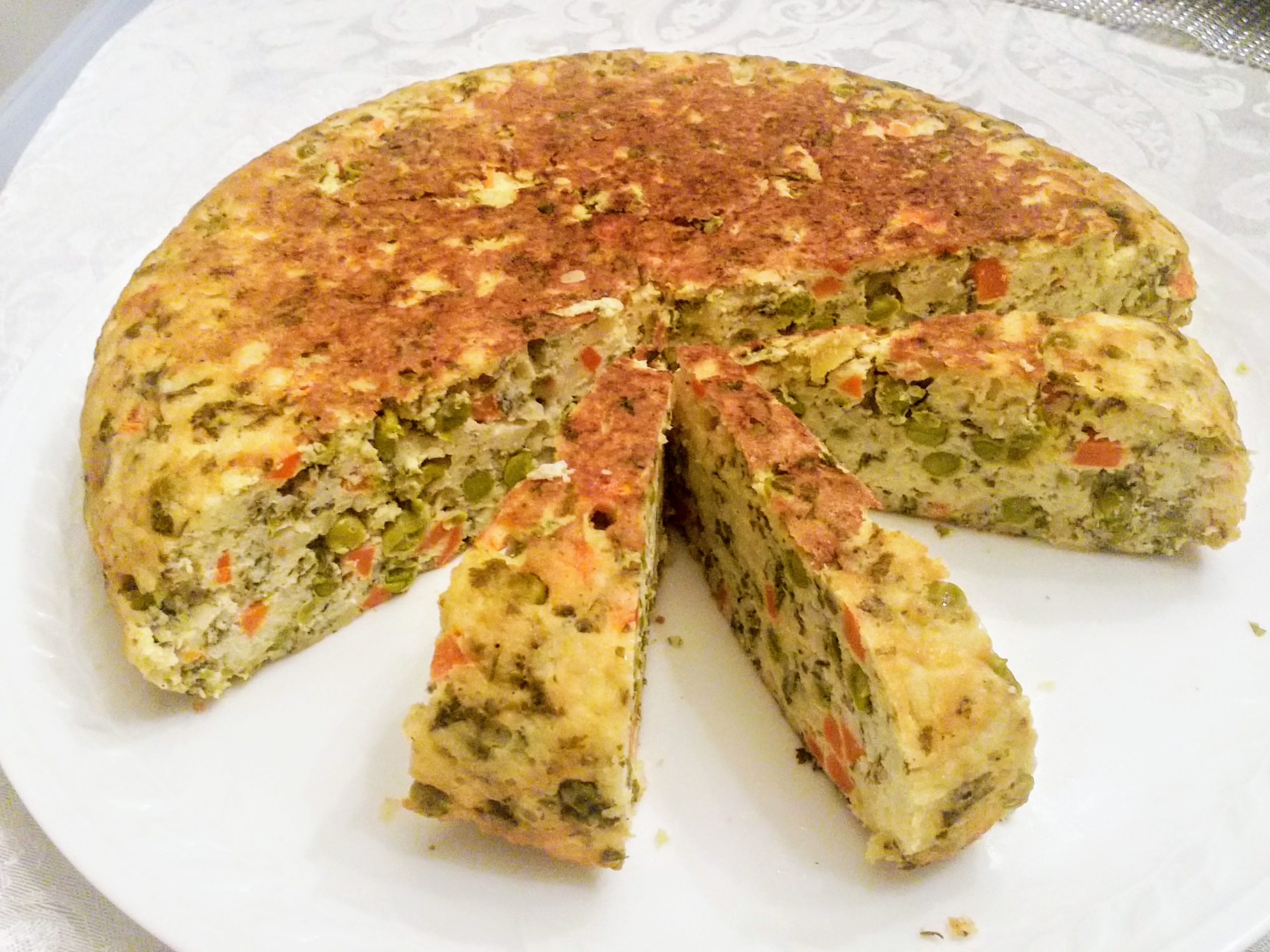
Potato (M’hemmer) Omelet
-
Description: A filling side dish served warm or cold that provides many portions for famished guests coming from the synagogue.
-
Seder Blessings & Symbolic Foods
The blessings for the following items are recited before eating dinner on both nights:
| Traditional Item | Hebrew / Meaning & Usage |
| Tapuah | Apple dipped in honey for a sweet new year. |
| Kartei | Boiled onion dipped in cinnamon and sugar. |
| Salka | Beets. |
| Tamrei | Dates. |
| Keira | Squash / Gourd. |
| Rubia | Garbanzos (Chickpeas) / Black-eyed peas. |
| Rimon | Pomegranate (Reserved for the second night to recite the Sheiheiheeyanu prayer over a new fruit). |
| Titlan | Sesame seeds and sugar. |
| Dagim | Fish. |
| Rosh Kebess | Head of Lamb. |
Historical Background
Rosh Hashanah (Hebrew: רֹאשׁ הַשָּׁנָה), literally meaning the “beginning of the year,” is the Jewish New Year, also known as Yom Teruah (Day of Shouting/Blasting). It marks the beginning of the Days of Awe (Yamim Nora’im) specified in Leviticus 23:23–32. Customs include sounding the shofar, attending synagogue, and enjoying festive meals featuring symbolic foods mentioned in the Talmud, such as gourds, fenugreek, leeks, beets, dates, and pomegranates.
The Amar Family Heritage & Traditions

“Besides the foods that are an integral part of the seder of Rosh Hashanah, it is the custom of the Amar family to grace the table with as many sorts of fruits and vegetables as the season allows and the table can accommodate.” — My Mom (The Matriarch of our family)
Seeds of Abundance
Produce containing seeds is highly sought after as a symbol of abundance, prosperity, and fertility to ensure a year of plenty.
-
Quince: Quinces and anise seeds sprinkled with sugar are a long-honored tradition.
-
Gourd: A gourd is prominently displayed because of its humble association to Jonah. From Jacob Amar, to Messod Amar, to Baba Hanania Amar, to Joseph Amar, our family carries on the tradition of candying the bottle gourd (a long-necked green gourd with a white skin).
-
Couscous: Couscous, with its many “seeds,” is the premier staple of the holiday.
-
Pomegranate: Pomegranates hold a place of honor for their sweetness, burst of color, and seeds—traditionally numbered at 613, corresponding to the mitzvot.
The Traditional Greeting
It is customary to address the host with an Arabic greeting before partaking of any food:
-
Host: “Lah ikteuha hada” (May this custom not be severed.)
-
Response: “D’nya m’gherk” (May the world not be without you.)
(Note: The word “Hada” means a knot or binding, and is a derivative or mispronunciation of the Hebrew word “‘Akeda,” as in the Binding of Isaac.)
Aware of the rich traditions Joseph and Perla Amar bequeathed to us, David and I have lovingly compiled the Hada of my family, linking our descendants in America to my ancestors in Morocco, and beyond them to Israel.


